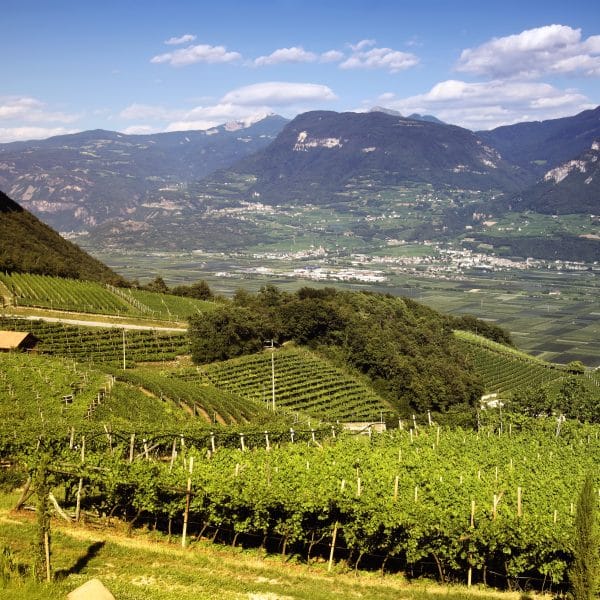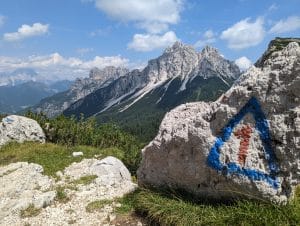
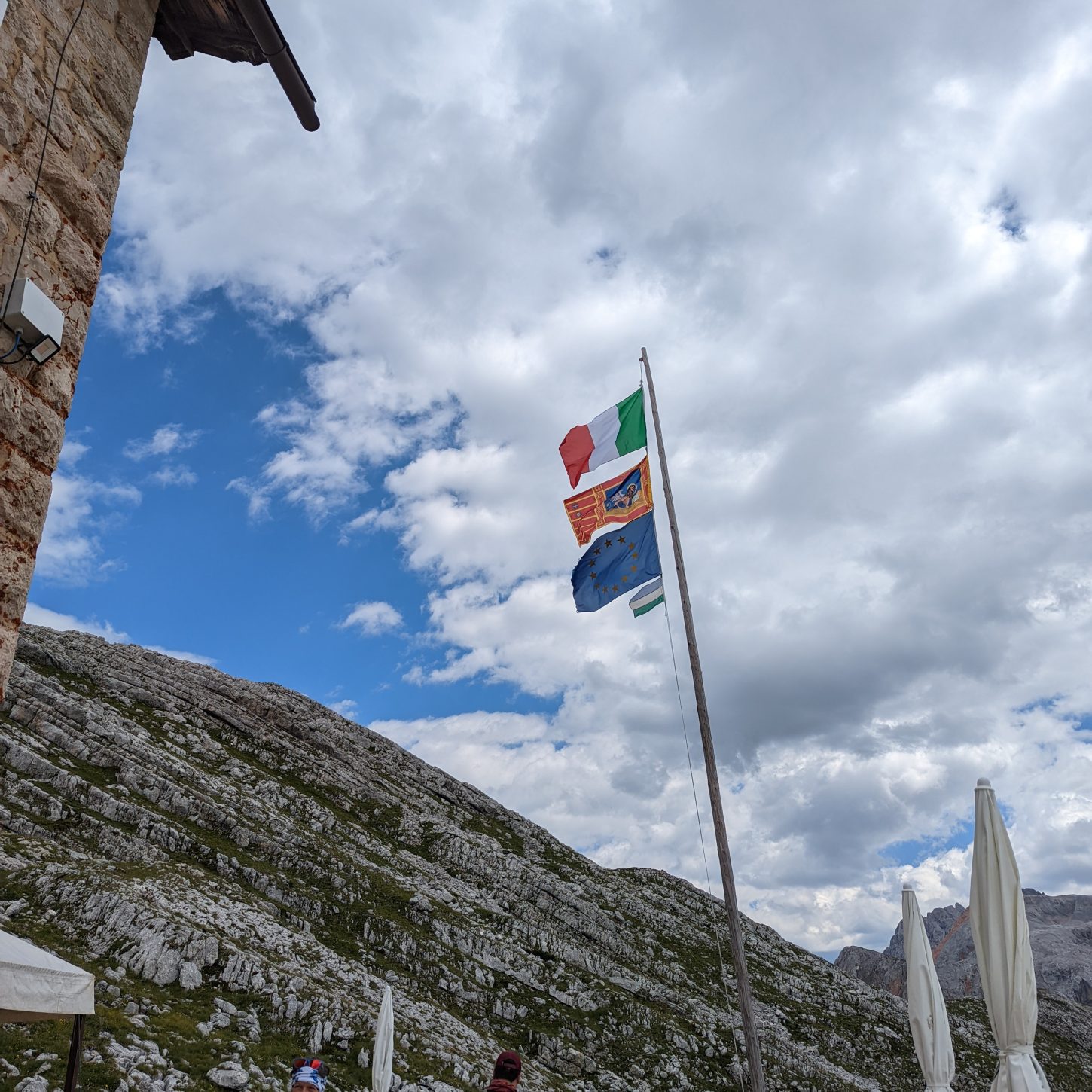
High in the Italian Dolomites, where jagged peaks catch the first light of dawn and villages cling to valley floors, a distinct people have maintained their identity for over a thousand years. The Ladins, numbering roughly 30,000 today, represent one of Europe’s smallest linguistic minorities, yet their cultural footprint runs deep into the alpine landscape they call home. Ladin culture isn’t a museum exhibit or a tourist attraction dressed up for visitors. It’s a living tradition, shaped by isolation, resilience, and an almost stubborn commitment to preserving what makes these mountain communities unique. From the Rhaeto-Romance language still spoken in kitchens and village squares to the architectural marvels built without a single nail, the Ladins offer a window into a way of life that predates modern borders. Understanding this culture means grappling with questions that matter beyond the Dolomites: How do small communities survive when larger forces push toward homogenization? What gets lost when a language dies? And what does it take to keep traditions alive without turning them into lifeless performances?
The Roots and Resilience of the Ladin Language
The Ladin language carries within it the echoes of Roman soldiers, medieval traders, and generations of farmers who never left their valleys. Speaking it today connects you to a linguistic tradition that has survived against considerable odds.
Rhaeto-Romance Origins and Linguistic Evolution
Ladin belongs to the Rhaeto-Romance family, descended from the Vulgar Latin spoken by Roman settlers who colonized the Alpine regions around 15 BCE. Unlike Italian, French, or Spanish, which evolved into dominant national languages, Ladin remained geographically confined to isolated mountain valleys. This isolation preserved archaic Latin features that disappeared elsewhere centuries ago. Linguists find in Ladin a kind of linguistic time capsule, with grammatical structures and vocabulary that offer clues about how Romance languages developed. The language absorbed influences from Germanic neighbors over the centuries, particularly after the region fell under Austrian control, yet retained its distinct character.
The Five Valleys: Regional Dialects of the Dolomites
The Ladin-speaking territory spans five main valleys: Val Badia, Val Gardena, Val di Fassa, Livinallongo, and Ampezzo. Each valley developed its own dialect, sometimes so different that speakers from opposite ends of the Ladin region struggle to understand each other. Val Gardena’s Gherdëina and Val Badia’s Badiot represent the two largest dialect groups, with perhaps 10,000 speakers each. The creation of a standardized written form called Ladin Dolomitan in the 1990s attempted to bridge these differences, though many speakers still prefer their local variants for daily use.
Architectural Heritage and the Viles of Val Badia
Walk through Val Badia and you’ll encounter something unusual: clusters of wooden buildings grouped together like small villages within villages. These are the viles, and they tell a story about how the Ladins organized their communities.
The Les Viles: Communal Living and Rural Design
The vile system represents a distinctly Ladin approach to settlement. Rather than building isolated farmsteads scattered across the landscape, families constructed their homes in tight clusters, sharing courtyards, bread ovens, and sometimes walls. A single vile might contain five to fifteen buildings housing extended family networks. This arrangement made practical sense in a harsh mountain environment where cooperation meant survival. Shared resources reduced individual burdens, while the clustered layout provided protection from avalanches and harsh weather. The viles of San Cassiano and La Val remain remarkably intact, offering visitors a chance to see this communal architecture largely unchanged from the 16th century.
Symbolism in Traditional Woodwork and Masonry
Ladin builders developed sophisticated techniques using local materials, primarily larch wood and dolomite stone. The wooden upper stories of traditional homes feature intricate carvings around windows and balconies, often incorporating protective symbols meant to ward off evil spirits. Sun wheels, rosettes, and intertwined knots appear frequently, their meanings sometimes clear, sometimes lost to time. The massive stone foundations and ground floors served practical purposes, storing food and housing livestock, while the wooden upper levels provided living quarters that could be heated more easily. Builders worked without nails, using complex joinery techniques passed down through generations.
Culinary Traditions Born from the Mountains
Ladin cuisine reflects the constraints and possibilities of high-altitude farming. These aren’t dishes designed to impress; they’re foods that kept people alive through long winters when nothing grew.
Staple Ingredients: Barley, Buckwheat, and Rye
Above 1,200 meters, wheat struggles to grow. The Ladins adapted by cultivating hardier grains that could withstand shorter growing seasons and cooler temperatures. Barley and rye became the foundation of the diet, ground into flour for bread and dumplings. Buckwheat, despite its name not actually a grain, thrived in the poor soils and provided essential nutrition. Root vegetables, cabbage, and preserved meats rounded out the larder. Dairy products, especially butter and aged cheeses, provided crucial fats and proteins. The cuisine developed around preservation: smoking, drying, and fermenting foods to last through months when fresh provisions were impossible to obtain.
Iconic Dishes: From Canederli to Turtres
Canederli, bread dumplings enriched with speck and cheese, represent perhaps the most recognizable Ladin dish. Made from stale bread that would otherwise go to waste, they embody the practical frugality of mountain cooking. Turtres, half-moon shaped fried pastries filled with spinach, sauerkraut, or cheese, appear at festivals and celebrations. Craffonzles, small fried dough pieces dusted with sugar, satisfy the Ladin sweet tooth. The dishes share common characteristics: they’re filling, they use simple ingredients, and they waste nothing. A traditional Ladin cook would find the modern obsession with exotic ingredients baffling.
Festivals and the Cycle of Ladin Life
The Ladin calendar marks time through celebrations that blend Catholic observance with far older traditions. These festivals aren’t quaint revivals; they’re genuine community events that draw scattered families back to their home valleys.
The Ladin Carnival: Masks and Mythical Figures
Carnival season in the Ladin valleys brings out masks and costumes that would look at home in a fever dream. The Marascons of Val di Fassa wear towering headdresses and grotesque wooden masks, chasing children through village streets. In Val Badia, the Lachè and Matazins perform elaborate dances, their movements choreographed according to traditions that predate written records. The masked figures represent wild spirits of nature, chaos breaking through before the sobriety of Lent. Scholars see in these celebrations remnants of pre-Christian fertility rites, adapted and absorbed into the Catholic calendar but never entirely tamed.
Traditional Dress and the Art of Quill Embroidery
Ladin traditional costume varies by valley but shares certain distinctive features. Women’s dresses typically feature richly embroidered bodices, with patterns specific to particular villages or families. The most remarkable technique involves quill embroidery, where peacock feather quills are split, dyed, and stitched onto fabric to create shimmering geometric designs. This painstaking craft requires years to master, and skilled practitioners are increasingly rare. Men’s traditional dress tends toward simpler designs, with leather breeches and embroidered suspenders common across the region.
Folklore and the Legends of the Enrosadira
The Dolomite mountains glow pink and orange at sunset, a phenomenon the Ladins call enrosadira. Their legends explain this as the remnant of a rose garden that once covered the peaks, turned to stone by an ancient king’s curse. The story of King Laurin and his rose garden represents just one thread in a rich tapestry of Ladin folklore. Giants, witches, and mysterious wild men populate these tales, inhabiting specific peaks and forests that listeners can point to from their doorsteps. The stories served purposes beyond entertainment: they encoded warnings about dangerous places, explained natural phenomena, and reinforced community values. Children hearing about the Salvans, wild forest spirits who punished wastefulness, learned lessons their parents might not have stated directly.
Preserving Ladin Identity in a Modern World
The challenges facing Ladin culture aren’t abstract threats but concrete pressures that community members navigate daily. Young people leave the valleys for education and employment in larger cities. Tourism brings economic benefits but also cultural erosion, as traditional practices become performances for visitors rather than lived experiences. The Italian, German, and Austrian influences that have shaped the region for centuries continue to exert pressure, with dominant languages and cultures offering paths of least resistance.
Yet the Ladins have proven remarkably adaptable. Schools in the valleys teach in Ladin alongside Italian and German, creating genuinely trilingual children. Cultural institutions document traditions and support practitioners of traditional crafts. Local governments have secured official recognition and protection for the language. The Museum Ladin in San Martino offers visitors context for understanding what they see in the surrounding villages.
The future of Ladin culture depends on choices being made now by young Ladins deciding whether to stay or leave, whether to speak their ancestral language to their children, whether to learn the old crafts or pursue different careers. No amount of institutional support can substitute for these individual decisions. What the Ladins have maintained for a millennium ultimately rests on whether the next generation finds value in continuing the tradition.